





Search Results for: coffee bean brewing methods
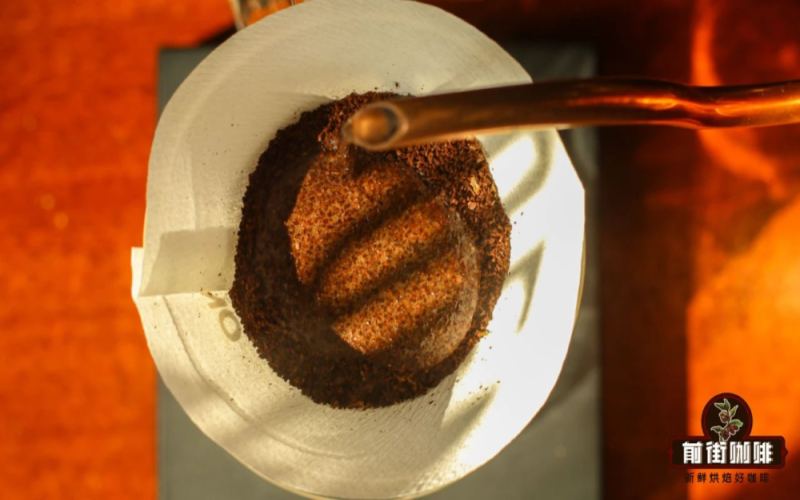
Single-Origin Pour-Over Beans for Beginners | What Are the Four Japanese Pour-Over Techniques? How Do Different Coffee Brewing Methods Affect Coffee Flavor?
Recently, many coffee-loving friends who come to Front Street Coffee to buy coffee beans have asked Front Street how to correctly brew pour-over coffee to bring out its best flavor. Front Street also often says that the process of pour-over coffee is a kind of enjoyment, and coffee brewed by one's own hands feels even more delicious on a spiritual level. So this Front Street article will introduce [more…]
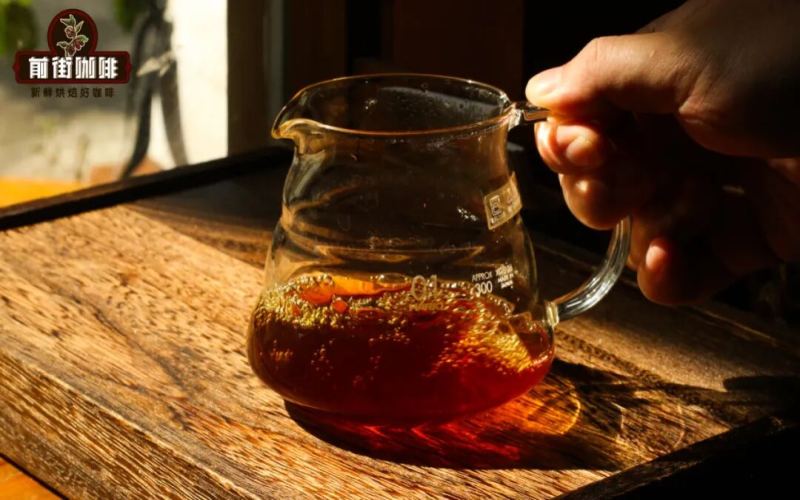
Coffee Brewing | What are the common coffee bean brewing methods, what are their characteristics, and which brewing method is suitable for coffee novices to learn on their own?
Coffee is one of the most popular beverages in the world. "Coffee" refers to any drink made from roasted coffee beans, which of course includes espresso and cold brew. There are many kinds of coffee—some people like instant, some like pour-over, and others like cold brew. Different methods [more…]
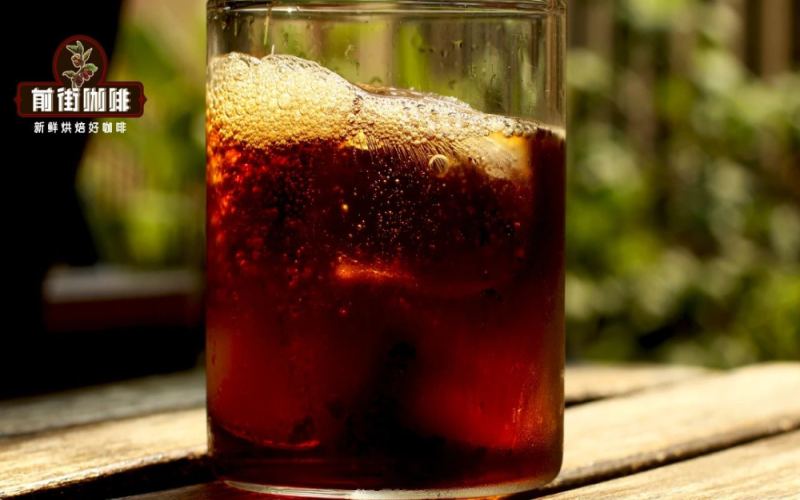
The Benefits and Brewing Method of Cold Brew Coffee: Coffee-to-Water Ratio, Flavor Characteristics, and Front Street Single-Origin Bean Recommendations
Cold brew coffee, with its refreshingly cool temperature and silky, full-bodied texture, has won the favor of more and more coffee lovers. Unlike hot brewing methods, cold brew involves steeping coffee grounds in cold or room-temperature water for an extended period, then refrigerating for 8 to 12 hours to complete the extraction. This method better preserves the unique aromas of the coffee beans themselves, while significantly reducing acidity and astringency, resulting in a fuller, cleaner taste. This article will systematically introduce the flavor characteristics, key production points, and coffee-to-water ratios of cold brew, recommend three Front Street single-origin coffee beans suitable for cold brewing, and provide a detailed analysis of the three major benefits and advantages of cold brew coffee in terms of caffeine content, acidity, and ease of preparation. [more…]
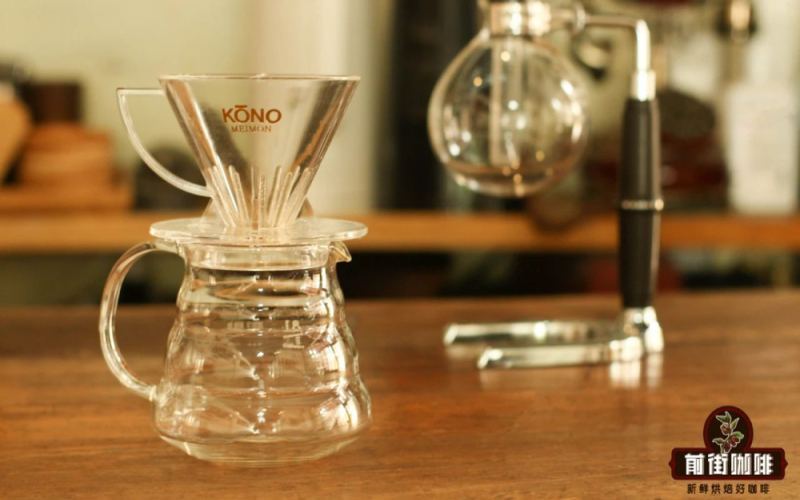
What exactly is drip coffee? A comprehensive analysis of drip coffee's characteristics, extraction methods, and brewing key points
In the world of coffee, brewing methods are incredibly diverse—instant, pour-over, and cold brew each have their own followers, and different methods deliver vastly different flavor experiences. Among the many extraction methods, drip coffee is the most common and easiest to master, and pour-over coffee is the most representative member of the drip family. This article will systematically outline the definition of drip coffee, its differences from and connections to pour-over coffee, and further introduce common extraction methods such as espresso, immersion, and decoction, while comparing the taste characteristics and suitable scenarios of different brewing methods to help coffee lovers find the cup that suits them best. [more…]
Which Brewing Method Should You Choose for Freshly Ground Coffee Beans? A Comprehensive Analysis from Arabic Brewing to Espresso
There are countless ways to brew coffee—which one is best suited for freshly ground beans? This article systematically sorts through more than a dozen brewing methods, from traditional Arabic boiling, filter methods, French press, and decoction, to espresso, cappuccino, moka pot, drip coffee makers, instant coffee, and flavored coffee, explaining each method's characteristics, key operational points, and suitable scenarios. Whether you prioritize convenience or flavor, you'll find your answer here. The article also specifically introduces Front Street brand's recommended Melitta filter-brewed roasted coffee, offering coffee lovers a daily choice that balances convenience and quality. [more…]
The Complete Guide to Pour-Over Coffee: Water Temperature, Grind Size, Coffee-to-Water Ratio, Five Brewing Methods, and Bean Selection Tips
The charm of pour-over coffee lies in the ritual of pouring water by hand, but many people can never reproduce the taste of a coffee shop at home, and the problem often comes down to four variables: water temperature, grind size, coffee-to-water ratio, and pouring technique. In this article, Front Street Coffee takes a practical approach and systematically explains the water temperature ranges for light-to-medium and medium-dark roasted beans, a grinding standard based on an 80% pass rate through a No. 20 sieve, and a recommended 1:15 coffee-to-water ratio. The article also breaks down in detail five pour-over methods: the three-pour method, the European-American stir-and-bloom method, the Japanese drip method, the single-pour method, and the volcanic pour, while offering actionable adjustment methods for blooming and degassing, pouring rhythm, and the causes of failed extraction, helping coffee lovers consistently reproduce a cup of good coffee with clear flavor. [more…]

A New Hand-Brew Method Without Blooming: The Principles, Parameters, and Practical Points of the One-Pour Brewing Technique
Pour-over coffee usually starts with blooming, but Tetsu Kasuya, the 2016 World Barista Champion, proposed in 2019 a brewing method that skips blooming entirely—the one-pour method. It may look similar to the single-pour technique, but the differences are clear: the single-pour technique splits the water into two pours, while the one-pour method pours all the hot water in at once. This article covers the principles of the one-pour method, its differences from the single-pour technique, equipment and bean selection, grind adjustment, pouring direction, and the full process of Front Street Coffee's hands-on practice with a Colombia · Hope Estate Geisha, providing key parameters such as dose, ratio, water temperature, grind, and time to help you decide whether this minimalist brewing method suits you. [more…]
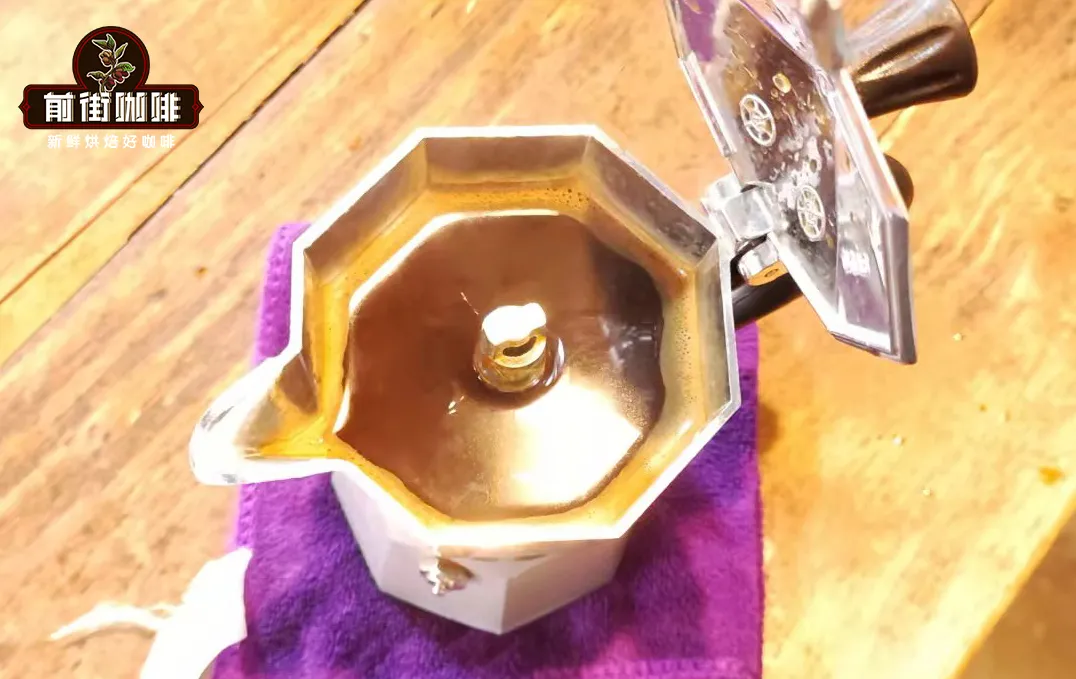
Types of Black Coffee Brewing Methods | What Are the Extraction Principles of Pour-Over and Espresso? How Do Drip Coffee, Immersion Coffee, and Boiled Coffee Differ?
There are quite a few types of coffee. Some people like instant coffee, some like pour-over, and others like cold brew. Coffee made with different methods has its own characteristics—some has a layered mouthfeel with distinct flavors, while some is convenient to brew. You can choose according to your own preferences. Pour-over [more…]
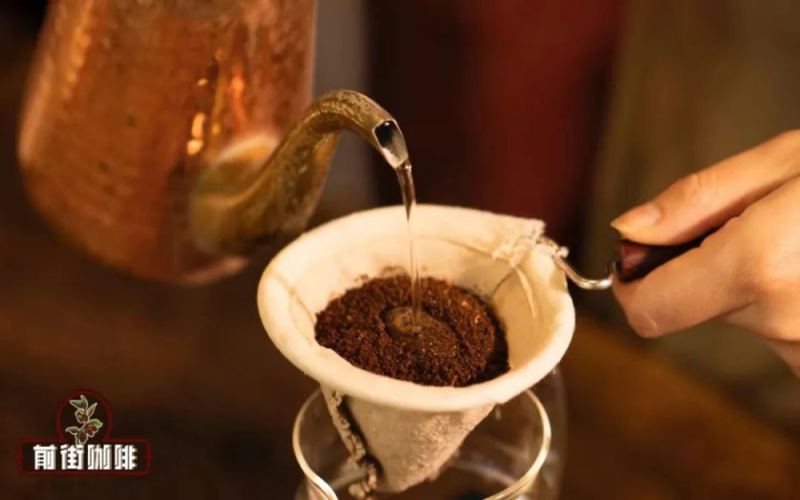
Comparison of the Three Major Japanese Dark Roast Brewing Methods: Principles and Operational Characteristics of Kono Drip, Matsuya-Style, and Volcano Brewing
Deep-roasted coffee beans are known for their rich, mellow bitterness, and the Japanese brewing tradition includes three classic methods designed specifically for such beans: the Kono drip method, the Matsuya-style brewing, and the volcano pour. Though they take different paths, their core goal is the same—to fully unlock the steady, grounded flavors of dark-roasted beans. The Kono method uses drip-style blooming to extend degassing time, the Matsuya style pursues stable extraction through ultra-high pouring and an extra-long bloom, while the volcano pour creates an erupting effect with segmented small-circle pours. All three generally use a higher coffee-to-water ratio, and some require bypass dilution. This article breaks down each method's origins, operating logic, and flavor profile one by one, and explains why these approaches are better suited to dark-roasted beans. [more…]
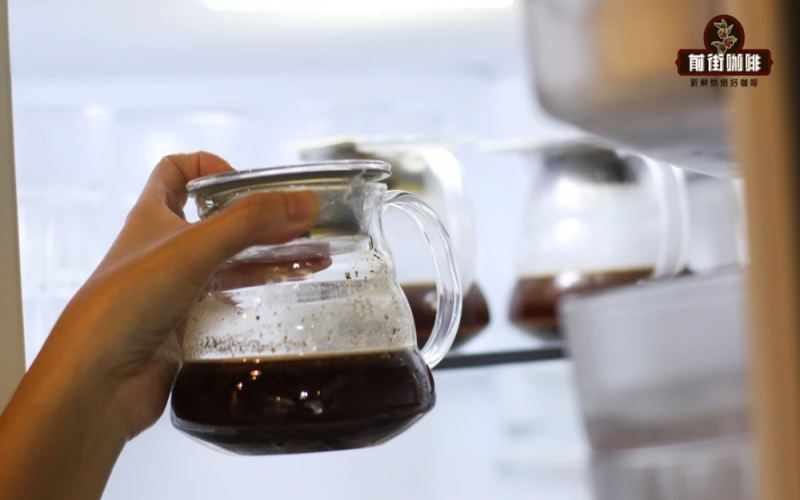
The Standard Method for Cold Brew Coffee: Grind Size Parameters, Benefits, and Differences from Iced Coffee
For more specialty coffee knowledge, please follow: Front Street Coffee (Frontsteet Coffee) There are many ways to make delicious iced coffee (types of iced coffee). From the more elaborate cold drip, to the quickest iced coffee pour-over; and the easy-to-make, and widely mainstream cold brew method. The cold brew method has many names, C [more…]

How Do Pour-Over Parameters Shape Coffee Flavor? Analyzing the Link Between Brewing Variables and the Essence of Coffee Beans
Can the same coffee beans produce two completely different flavors? This involves the logic of how brewing parameters regulate flavor release. The acidic, sweet, and bitter compounds in coffee are released at different rates, and by adjusting water temperature, grind size, time, and pouring technique, it is indeed possible to change the final taste to a certain extent. However, brewing is ultimately only the final link in the coffee chain, with a limited range of adjustability, and outstanding flavor comes more from the quality of the coffee beans themselves. Front Street Coffee will use examples to explore the flavor differences between the one-pour method and the three-pour method, and why bean selection determines the ceiling of a cup of coffee more than the brewing method does. [more…]
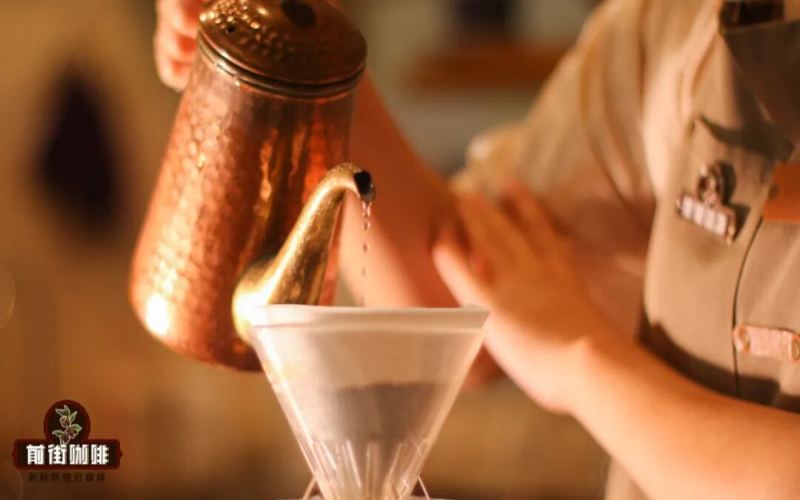
Brewing Methods | What kind of coffee beans is the drip method of pour-over coffee suitable for? What is the specific process of brewing pour-over coffee with the drip method?
As we all know, there are many ways to brew pour-over coffee. Apart from all-around methods that are beginner-friendly, such as the three-pour and 4:6 methods, there are also some lesser-known, high-difficulty techniques better suited to experienced brewers. For example, the brewing method Front Street Coffee is sharing today—just mastering it [more…]
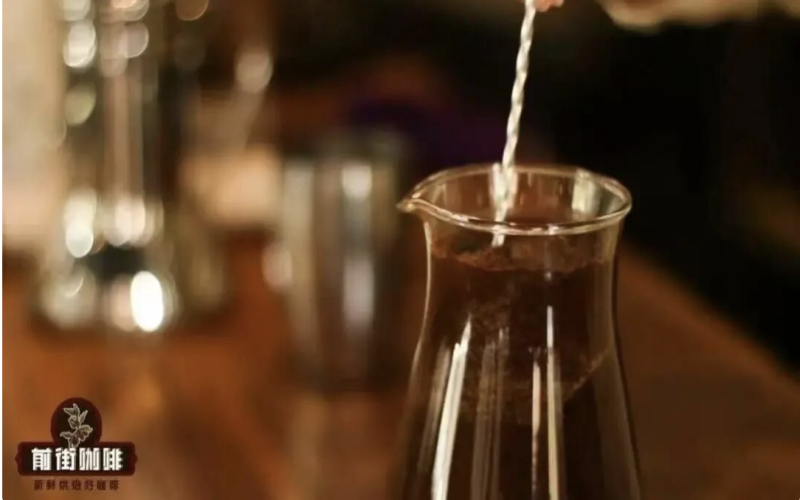
Advanced Cold Brew Bean Selection: How to Read Origin, Processing Method, and Roast Level
After trying a few cold brews, many people ask: with the same method, why do some cold brews taste like fruit juice while others taste like cold bitter water? The answer isn't in the method, it's in the beans. Today, we'll cover cold brew bean selection thoroughly in one go, from three dimensions: origin, processing method, and roast level. Origin determines the flavor baseline. Coffee beans from different origins have flavors [more…]
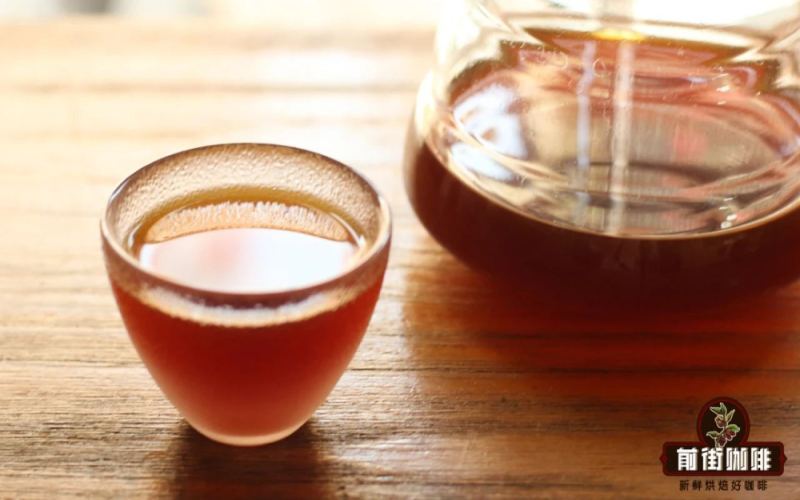
Coffee Beans or Ground Coffee? Front Street Explains the Brewing Methods and Storage Tips for Freshly Ground Coffee
Enjoying a good cup of coffee at home involves careful consideration at every step, from selecting beans and grinding to brewing equipment. In this article, Front Street Coffee answers questions for those who are new to coffee: How should you brew coffee after grinding the beans? Why is buying pre-ground coffee not a wise choice? We will outline five common methods for brewing ground coffee—decoction, pressure, gravity, infusion, and cold brew—and share practical tips on bean resting, storage, and using drip bag coffee. Whether you prefer the rich body of a French press or the layered complexity of pour-over, you will find an option that suits you here. [more…]

Is Blooming Essential for Pour-Over Coffee? Analyzing the Degassing Principle and Special Brewing Conditions Where Blooming Can Be Skipped
The blooming step in pour-over coffee is a fixed routine for many enthusiasts, but is it truly indispensable? Starting from a comparative experiment at Front Street, this article provides an in-depth analysis of the core function of blooming—releasing carbon dioxide that hinders extraction—and, through brewing data from two groups, a light-roast Huakui and a dark-roast Golden Mandheling, demonstrates the significant differences in extraction yield and flavor between blooming and no blooming. At the same time, the article also explores the possibility of omitting blooming under certain conditions, such as using coffee beans that have already degassed sufficiently, or adopting special brewing methods like the drip method, stirring method, or one-pour method. Whether you are a beginner just starting out or a seasoned player seeking a breakthrough, you can gain a clear understanding of the relationship between blooming and extraction. [more…]
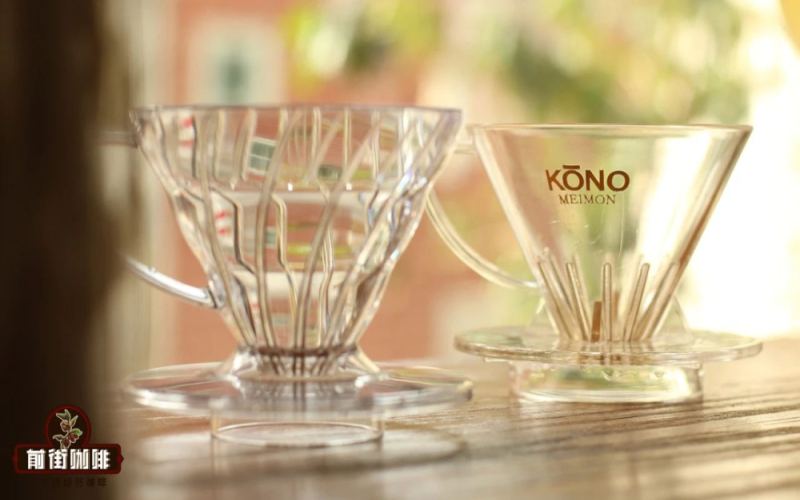
Pour-Over Coffee Equipment Guide: V60 Dripper Design Principles, Material Comparison, and Detailed Explanation of One-Pour and Three-Stage Extraction Methods
In the world of pour-over coffee, the V60 dripper is an almost unavoidable classic piece of equipment. With its conical structure, large aperture, and spiral rib design, it can accommodate a variety of roast levels and brewing techniques, making it the dripper choice unanimously recommended by Front Street Coffee baristas. This article will start from the three major design elements of the V60, analyze its extraction principles, compare the heat retention and price differences among resin, ceramic, and glass materials, and explain in detail key parameters such as grind size, water temperature, and coffee-to-water ratio. Finally, using Front Street Coffee Costa Rica Strawberry Candy coffee beans as an example, it will provide a hands-on comparison of the flavor presentation differences between the one-pour and three-stage brewing methods, helping coffee enthusiasts find a brewing method that suits them. [more…]
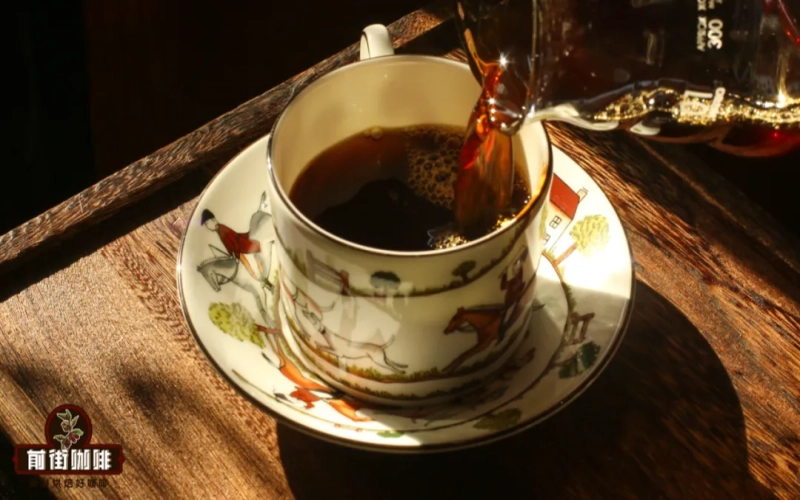
The Complete Kono-Style Drip Method Tutorial: How Japanese-Style Pour-Over Overcomes the Challenge of Extracting Fresh Beans
Freshly roasted coffee beans contain a large amount of carbon dioxide, and brewing them directly often leads to uneven extraction and imbalanced flavor. To address this, the Japanese developed a series of solutions, among which the Kono-style drip method is considered a classic. It uses water droplets instead of a water stream to pre-wet the coffee grounds, waits for sufficient degassing before switching to a stronger flow for extraction, and finally adjusts the concentration through bypass. In this article, Front Street Coffee will use PWN Golden Mandheling as an example to break down in detail the parameter settings and operating steps of this brewing method, helping you brew a rich, balanced, and delicious cup even with fresh beans. [more…]
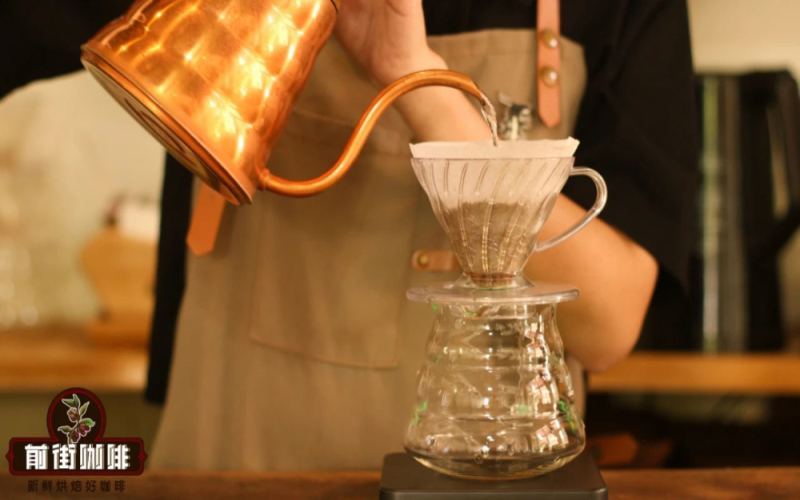
How Should You Handle Ground Coffee? A Detailed Guide to Five Brewing Methods and Key Tips for Using Drip Coffee Bags
Friends who are just getting into coffee often encounter a question: once coffee beans are ground into powder, should they be boiled or brewed? In fact, there is no single answer to this question. The key depends on the characteristics of the beans and what equipment you have on hand. In this article, Front Street Coffee will systematically sort out the five main extraction methods for freshly ground coffee powder - decoction, pressure, gravity, immersion filtration, and cold brew. It will also discuss notes on bean resting and storage, as well as the frequently asked question of whether drip bag coffee can be brewed repeatedly. Whether you are a complete beginner or an enthusiast who wants to further understand the differences between various brewing methods, you can find practical references here. [more…]
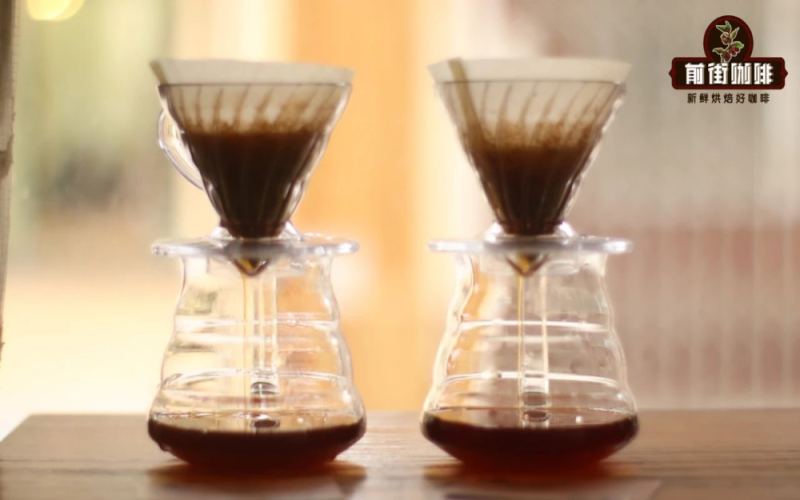
Cold Brew Iced Coffee Powder-to-Water Ratio | What Is the Method for Making Cold Brew Coffee? Which Coffee Bean Origins Are Suitable for Brewing Cold Brew Coffee?
Many people distinguish cold brew coffee from iced coffee. The reason is that what we understand as iced coffee is made by extracting with hot water, then adding ice or chilling it, turning the coffee from a hot temperature into iced coffee—this is the traditional concept. The biggest difference with cold brew coffee is that it uses cold water throughout the entire process, obtaining the coffee liquid through low-temperature extraction. [more…]
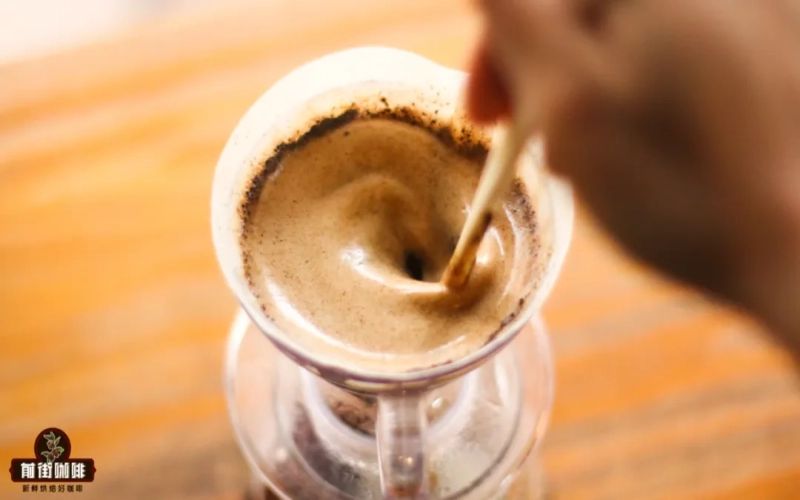
Pour-Over Coffee Stirring Method Iced Coffee Tutorial: Parameters, Steps, and Kenyan Coffee Bean Flavor Sharing
Why does the stirring method for brewing iced pour-over coffee bring out a richer flavor? This article will analyze the essential difference between the stirring method and conventional pouring from the perspective of extraction efficiency, and share in detail the complete parameters and steps for Front Street Coffee's iced pour-over made with Kenyan Little Tomato coffee beans, using a V60 dripper paired with the stirring method. If you are also interested in this fun brewing technique, why not follow along with this article and give it a try at home, experiencing the full-bodied juiciness and rich flavor that the stirring method brings. [more…]